
The First Rung: What Community Really Builds
Over the past few weeks, millions of people around the world tuned in to watch the FIFA World Cup. What stayed with me wasn’t the goals or the highlight-reel moments, it was something less tangible. Hosting the tournament on U.S. soil gave many of us a reason to organize watch parties, or to gather at the nearby pub, just to experience something together. It was fun. But it was also a reminder of how much we crave community, and how quickly we build it when given a reason.
At Futuro Health, community is not a seasonal occasion, it’s the daily work. Every day, we equip Scholars with the credentials and qualifications to begin their first, or next, career in healthcare. That work only succeeds because it happens in community: staff supporting Scholars, Scholars supporting Scholars, and our employer and education partners contributing what they do best to unlock doors.
Recently, I saw another opportunity to extend that same spirit of community-building, this time through hosting college interns to work at Futuro Health. With so much noise about AI narrowing the volume of entry-level roles and watching my college-age sons undergo the daunting task of finding a first job, I realized my organization could do its part.
So when Rice University’s Parent’s Council asked for help connecting students to work-based learning opportunities, I raised my hand. We initially planned to bring in two interns, virtually. We ended up with five: four from Rice University and one from UC Berkeley. These talented undergraduates joined teams across Futuro Health, communications, programs, technology, data science, and accounting (a big shout out to their supervisors!), bringing fresh perspectives and their own fluency with AI to their assignments. We built community for them deliberately, with weekly brown-bag gatherings on topics like measuring outcomes and impact, led by Dr. Alan Chan, our internal health equity expert.
One “ah-ha” moment surprised me: how much genuine interest the interns had in discovering that an entire world of nonprofit careers existed, one they’d had no prior exposure to. That’s the quiet power of proximity. You can’t aspire to what you’ve never seen up close. We’ve seen the same happen with Scholars as they learn of allied health careers through Futuro Health.
All of us who are in a position to create these eye-opening moments through internships, shadowing, site visits, informational interviews, or other forms of work-based learning, can make an outsized difference in someone’s life by building that first rung on the ladder.
That lesson came into sharper focus for me recently listening in the audience to a panel of executives from an innovative automotive company, its brand was newer in the industry but already collecting a wide range of innovation awards in its vehicle category. Their CHRO raised a concern that stuck with me: the pathway to becoming a senior innovator runs through entry-level roles, where people learn the ropes and get to try, fail, and try again. Eliminate that runway to experiment, and you eliminate the raw material of creativity itself. Eventually, you can’t hire the innovators you need, because you’ve shut down the pipeline that creates them.
That’s the throughline I keep coming back to: community isn’t just who gathers around a shared moment, like a World Cup match. It’s who we choose to sponsor at the point of entry , the interns, the apprentices, the first-generation career-changers. Whether it’s a summer internship or the first rung into an organization or an industry, intentionality is on all of us. From our respective seats, we get to decide who gets sponsored onto that ladder next.
Van Ton-Quinlivan is Founder and CEO of Futuro Health and a nationally recognized expert in workforce development. Her distinguished career spans the private, public, and nonprofit sectors. She is a White House Champion of Change and California Steward Leader, past chair of the California Health Workforce Education and Training Council, and former Executive Vice Chancellor of the California Community Colleges. She is the author of WorkforceRx: Agile Strategies for Unsettled Times.

Healthcare Works Best When No One Works Alone
By Van Ton-Quinlivan, CEO, Futuro Health | Author, WorkforceRx: Agile Strategies for Unsettled Times
Healthcare often celebrates breakthrough technologies, new treatments, and cutting-edge research. Yet one of the most powerful drivers of better outcomes isn’t a new invention at all. It’s teamwork.
The reality is simple: no one can do healthcare alone.
For decades, healthcare systems were organized around institutions and specialties — leaving patients to navigate a maze of providers, appointments, referrals, and paperwork. The burden of coordination fell on the person who could least afford to carry it: the patient. Today, a different model is taking hold. Person-centered care recognizes that patients are more than a diagnosis. They are individuals with unique circumstances, pressures, and lives. Meeting their needs requires physicians, nurses, medical assistants, community health workers, behavioral health specialists, social workers — and often, prevention first — working together as a coordinated team.
When healthcare professionals collaborate, patients benefit. Communication improves. Gaps in care close. And individuals receive support that addresses not only their medical needs but the social and practical factors that shape health outcomes.
Programs like PACE — the Program of All-Inclusive Care for the Elderly — demonstrate what team-based care looks like in practice. By bringing interdisciplinary teams together around the individual, PACE helps older adults receive comprehensive care while maintaining independence and quality of life. When I visited a newly opened PACE center in Elk Grove recently, what struck me wasn’t the clinical infrastructure — it was how the space felt: more community center than care facility, full of seniors gathered in a welcoming environment. For me, this is also personal. My father recently turned 88, and my mother-in-law recently became widowed — so the care of the nation’s aging population isn’t an abstraction. It’s about family. That’s what makes the work of building the right teams around older adults not just a policy priority, but a deeply human one.
The same principle applies to workforce development.
Just as healthcare moves toward team-based care, workforce development succeeds when employers, educators, and community partners work together around the learner. No single organization can close the workforce gap alone. Progress happens when partners braid resources, coordinate support, and remove barriers — together.
The Scholars we serve at Futuro Health are working adults balancing jobs, families, caregiving, and financial pressure while pursuing healthcare credentials. They are clear about their motivation: they want to better themselves and the future they are building for their families. Yet too often, the complexity of navigating enrollment, support services, and competing demands becomes a barrier in itself. When our partners — employers, community colleges, community organizations — function as a team, that complexity becomes manageable. Barriers get removed. Opportunities unlock.
The healthcare workforce shortage is often framed as a numbers problem. We need more doctors, nurses, allied health workers, mental and behavioral health professionals, and so on. That is true. But the solution is not simply producing more workers. It is building stronger systems of collaboration that enable traditional and nontraditional talent to enter, navigate, and advance in healthcare careers. The California Health Care Foundation’s recent report, Strengthening California’s Primary Care Team Workforce, offers a useful lens on exactly this challenge — and is worth a read for anyone thinking seriously about what team-based care requires at the systems level.
As care models evolve and patient needs grow more complex, the ability to work across disciplines is becoming as essential as clinical expertise. The teams that will define the next era of healthcare are the ones built on trust, coordination, and a shared commitment to the person at the center.
Van Ton-Quinlivan is Founder and CEO of Futuro Health and a nationally recognized expert in workforce development. Her distinguished career spans the private, public, and nonprofit sectors. She is a White House Champion of Change and California Steward Leader, past chair of the California Health Workforce Education and Training Council, and former Executive Vice Chancellor of the California Community Colleges. She is the author of WorkforceRx: Agile Strategies for Unsettled Times.
Trust Is the Treatment
By: Van Ton-Quinlivan
At a recent “Human & Tech Week” event, I heard Apollo Neuroscience’s Chief Medical Officer David Rabin make a striking claim: from a neuroscience standpoint, working together as human beings is our best coping strategy. Not apps. Not awareness campaigns. Human connection, eye-to-eye contact, literally signals to our nervous systems that we are safe, dialing down the stress and anxiety that has become chronic background noise in modern life.
He also offered a sobering data point: Generation Z is the first generation in recorded history to perform worse on cognitive skills than the generation before them. Learning, he reminded us, only happens when people feel safe.
That framing stayed with me as Mental Health Awareness Month arrived once again.
We are living through a mental health crisis that cannot be resolved through awareness alone. Nearly one in five U.S. adults experiences mental illness each year. Young people report record levels of persistent sadness and hopelessness. And yet access to timely, affordable support has not kept pace with demand.
Part of what makes this crisis so difficult is that mental health challenges rarely exist in isolation. They are woven into the fabric of daily life — shaped by housing instability, financial stress, loneliness, food insecurity, and the sheer difficulty of navigating complex care systems. Social conditions are not peripheral to behavioral health. For many Americans, they are central drivers of it.
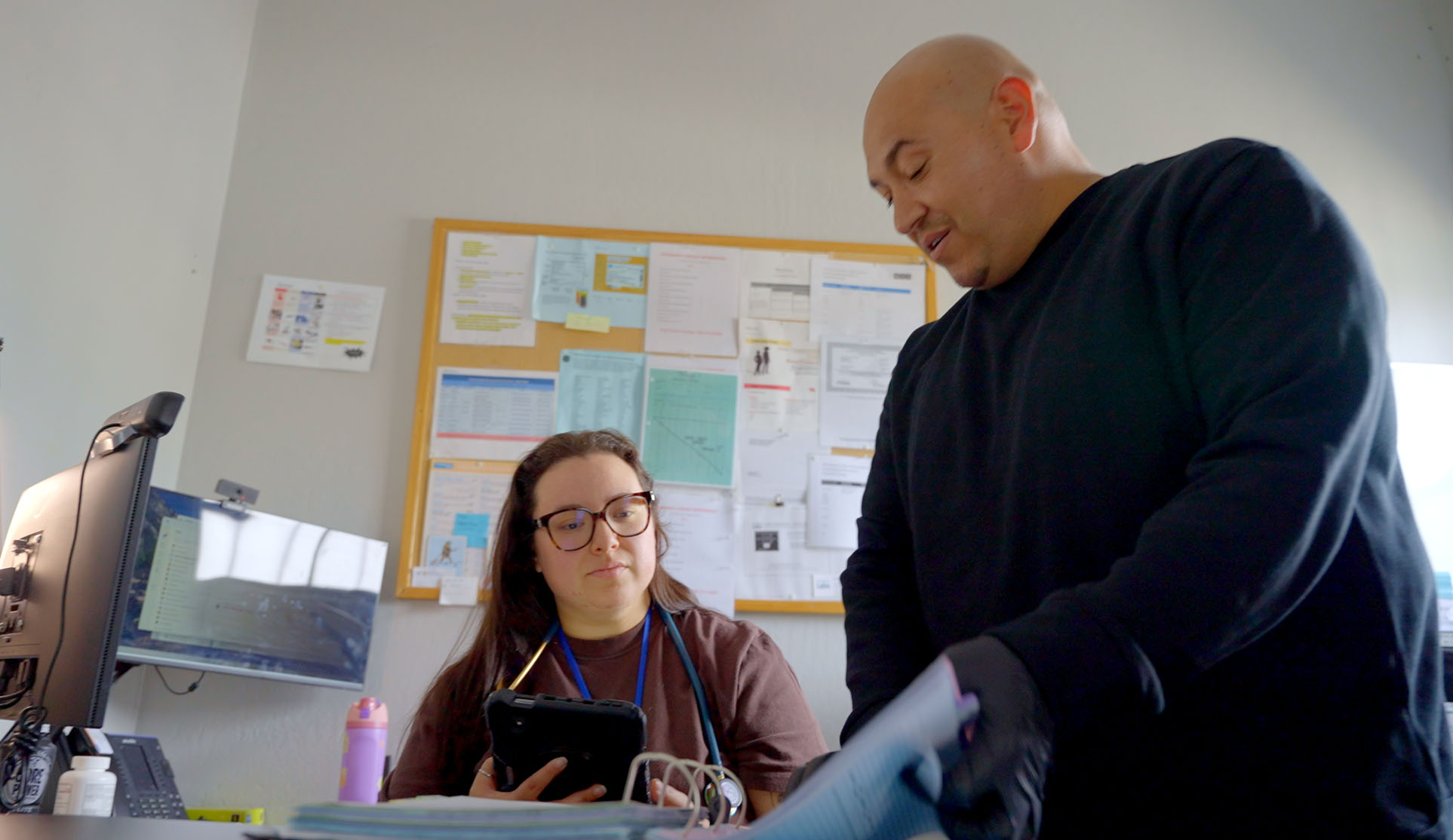
This is where Futuro Health Scholars like Tasha C. and Jose C. come in. Tasha survived triple negative breast cancer a decade ago, and through that experience navigating treatment, she found her calling — sharing resources with others in her community. She later learned there was a name for what she was already doing: Community Health Worker. Jose grew up navigating the justice system firsthand. Today he works at Horizon Treatment Services as a Peer Support Specialist, trained through Futuro Health, helping others enter recovery. “I want to be that hope for people now,” he says.
What Tasha C. and Jose C . bring that no system alone can replicate is exactly what Dr. Rabin’s neuroscience describes: the ability to look a fellow community member in the eye and begin a relationship of trust. They’ve lived versions of the journeys their clients are on. That shared experience lowers the walls, signals safety, and creates the conditions from which authentic care and real change can originate.
This Mental Health Awareness Month, I find myself thinking about people like Tasha C. and Jose C., who decided that their hardest life chapters were exactly the preparation they needed to help others. Clinical care saves lives. But trust is often what gets someone through the door in the first place. Investing in the workforce that builds that trust isn’t supplemental to healthcare. It’s foundational to it.
View videos of Futuro Health Scholars Tasha C. and Jose C. here.
Futuro Health CEO Van Ton-Quinlivan is a nationally recognized expert in workforce development. Her distinguished career spans the private, public, and nonprofit sectors. She is a White House Champion of Change and California Steward Leader and formerly served as Executive Vice Chancellor of the California Community Colleges.

Not Enough Doors, Too Many Gaps: Why Education Isn’t Producing the Healthcare Workforce We Need
By Van Ton-Quinlivan
Think about the number of disconnected systems a learner must navigate to move from education into employment, especially in healthcare. What should be a pathway often feels more like a maze. A single workforce program can involve multiple handoffs: recruitment and screening, coursework through a community college or alternative provider, clinical placement with an employer, state exam preparation through yet another entity, and finally job placement and coaching. Each step may work well on its own, but together they rarely function as a coherent system.
At Futuro Health, we set out to simplify this learner journey, especially for adults from underserved communities. What began as a collaboration among healthcare education institutions has evolved into a growing ecosystem, one that now spans nine states and has expanded to include 43 vetted higher education partners sharing standardized practices.
That growth has required us to rethink what collaboration actually looks like in practice. As we entered rural geographies, such as parts of Connecticut, we partnered with smaller colleges that offered strong programs but have limited capacity to track workforce outcomes. In many cases, a single staff member was responsible for everything from accounting to following up on job placement.
Rather than turning these institutions away, we chose to invest in their growth. We are building additional shared tools and standards, helping our education partners strengthen their recordkeeping, improve accountability, and better demonstrate outcomes as well as improve interventions — when we together monitor the progress of Futuro Health Scholars on a weekly basis.
We have learned from our partners and iterated on what effective collaboration can be. The field-level infrastructure we are building continues to reduce friction for both learners and employers. Success is no longer dependent on a heroic coach or a single high-performing institution; it is embedded in a system designed for adults to earn a healthcare credential that jump starts their first or next career.
At a time when higher education is being challenged by a loss of public trust in institutions, survival may depend on heightened collaboration. The institutions that learn to work together—sharing data, aligning pathways, and co-investing in outcomes—will be the ones that endure.
This challenge is not unique to healthcare. Over the past two decades, the connection between education and employment has weakened across the economy. College graduates are taking longer to secure their first job, and the advantage of a degree, while still real, is no longer as immediate or assured. The issue is not simply access to education; it is the system’s ability to convert learning into work.
For healthcare, and increasingly across sectors, the imperative is clear: strengthen education providers so they can reliably deliver talent outcomes. That means building the shared infrastructure, data transparency, and collaborative capacity that turn programs into pathways and credentials into careers.
Without that shift, we will continue to create more doors but leave too many learners standing in the gaps.
Futuro Health CEO Van Ton-Quinlivan is a nationally recognized expert in workforce development. Her distinguished career spans the private, public, and nonprofit sectors. She is a White House Champion of Change and California Steward Leader and formerly served as Executive Vice Chancellor of the California Community Colleges.

Does Place Still Matter? Rebundling Higher Education for an Unbundled World
By Van Ton-Quinlivan
In preparing for a recent lunchtime panel with the American Council on Education and its 800+ conference attendees—titled “Unbundled. Accelerated. Aligned.”—I found myself returning to a deceptively simple question: What is the value of “place” today, when learning can happen anywhere?
On my panel were executives from Coursera and edX, platforms that collectively reach hundreds of millions of learners worldwide. We were preparing for a provocative discussion—one that would challenge long-held assumptions about the primacy of the physical campus.
For more than a century, colleges and universities have earned public trust by bundling multiple functions into a single, cohesive experience: content, instruction, assessment, credentials, learner support, and community. This campus-based model didn’t just deliver education—it expanded access, fueled innovation, and helped build the American middle class. “Place” mattered because it concentrated opportunity. It signaled quality. It created belonging.
But that bundle is no longer fixed.
With the rise of online platforms, alternative credential providers, and employer-led training, learners now assemble their own pathways from a growing marketplace of options. AI will only accelerate this shift—lowering the cost of content, personalizing instruction, and reshaping assessment in ways we are only beginning to understand. The result is not just more choice, but more fragmentation. The bundle has been broken apart.
And yet, higher education’s role is not diminished—it is being redefined. The central question is no longer whether institutions will unbundle, but how they will rebundle in ways that are meaningful, differentiated, and aligned with today’s learners.
Rebundling higher education for today requires clarity of purpose.
As colleges and universities look to recruit beyond a shrinking pool of traditional high school graduates, they must decide which elements of the bundle are essential—and which can be partnered, outsourced, or reimagined.
Relevance becomes the first test.
What does it mean for learning to translate into economic mobility? Learners are increasingly pragmatic. They are asking: Will this program lead to a job? Will it help me advance? Institutions that can clearly connect learning to labor market outcomes—without reducing education to mere job training—will stand apart.
Human well-being is the second anchor.
If AI and automation reshape work, then distinctly human capabilities—communication, empathy, ethical judgment, resilience—grow in importance. This is where higher education has always had a quiet advantage. The question is whether institutions will lean into it more intentionally. Supporting the “whole learner” is not ancillary; it is central to long-term success in both life and work.
And then there is a third, often underappreciated function: the transfer of values.
As Joshua Travis Brown of the Johns Hopkins University School of Education shared with me on his recent appearance my on WorkforceRx podcast, colleges are not just sites of knowledge transmission—they are sites of values formation. Whether through athletics, service, religious life, or civic engagement, institutions pass along norms, identities, and a sense of shared purpose. In a distributed, digital-first world, this function becomes harder to replicate—and arguably more important.
Which brings us back to “place.”
If content can be accessed anywhere, then the value of place shifts from delivery to experience. Place becomes less about where you sit in a classroom and more about where you are known, challenged, and transformed. It is where relationships form—between peers, mentors, and networks that endure well beyond graduation. It is where learners test ideas, encounter difference, and develop a sense of self.
The future, then, is not a binary choice between physical campuses and digital platforms. It is a more intentional integration of both. The institutions that thrive will be those that stop trying to preserve the old bundle intact—and instead design new ones: modular, flexible, and deeply aligned to learner goals, while still preserving what only they can uniquely provide.
In a world of abundant access, place still matters.
But only if it stands for something unmistakably valuable
Futuro Health CEO Van Ton-Quinlivan is a nationally recognized expert in workforce development. Her distinguished career spans the private, public, and nonprofit sectors. She is a White House Champion of Change and California Steward Leader and formerly served as Executive Vice Chancellor of the California Community Colleges.
Rebuilding Trust in Higher Education
By Van Ton-Quinlivan
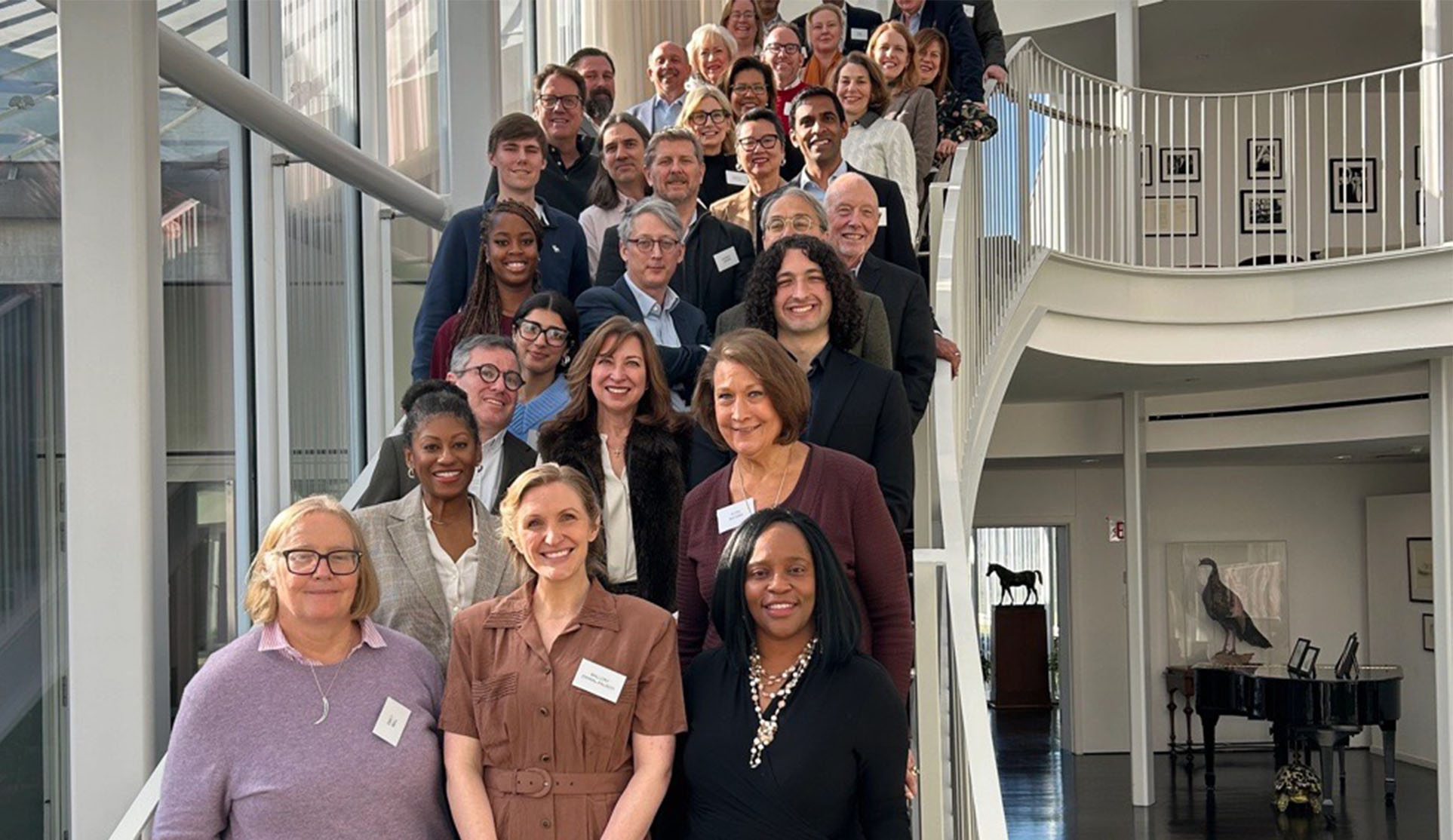
Recently, I attended the Ditchley–Lumina Summit, Redesigning Higher Education for the 21st Century, where an urgent question framed the conversation: how does the United States move from roughly 55 percent of adults holding a degree or credential of value to 75 percent
The Ditchley–Lumina Summit convened leaders from across the learning and workforce ecosystem — including Futuro Health, the Gates Foundation, Strada Education Foundation, ECMC Foundation, the American Council on Education, academics, think tanks, and student leaders — all committed to reimagining the #FutureOfLearning.
In the room were long-standing leaders of higher education — individuals who have devoted decades to strengthening our institutions — alongside newly minted college graduates. The student voices mattered deeply. They brought perspectives shaped not by policy debates or institutional legacy, but by lived experience. What I heard gave me pause.
In their words, trust in higher education is no longer assumed. As teenagers, they had known only polarization and sustained skepticism toward major institutions — including higher education. They questioned whether taking on heavy student debt is worth the risk.
Their reflections are a signal — and an invitation.
Design for the skeptical learner, not the ideal one
When trust erodes at this scale, the responsibility shifts to institutions to demonstrate value clearly, consistently, and transparently. Higher education must re-earn its place in people’s lives.
I found myself thinking about adults who have not yet reached higher education’s door — or who no longer believe college is meant for them. To reach the 75 percent aspiration, we must design for learners like those featured in a Strada Education video: working adults who are time-starved, balancing family and financial responsibilities, often cash-constrained, sometimes carrying eroded confidence in their ability to learn — yet keenly aware that they must keep pace in a rapidly changing world of work.
These learners remind me of Futuro Health Scholars. Their life circumstances are complex. Yet across our 41 education partners and 17 programs of study, they complete their allied health credentials at an 83 percent rate. The difference is not motivation. It is intentional design — structured supports, employer alignment, and clear pathways to good jobs.
When we design for the realities of learners’ lives, trust follows.
Accept partial trust — and build from there
Important policy reforms are underway — new accountability tools such as scorecards, and financing models that shift risk by requiring loan repayment only when graduates earn above a defined income threshold. At the same time, the higher education community continues to wrestle with longstanding debates — liberal arts versus career education, rather than “and” — while navigating institutional constraints.
Perhaps the more pragmatic path forward is not restoring blanket trust overnight, but building trust in specific, demonstrable ways. For working adults like those in the Strada video, trust may need to be earned for particular use cases, populations, or outcomes. For example:
“We may not yet be trusted for social mobility writ large, but we can be trusted for helping working adults become occupationally relevant within 12 months.”
This would require making the norms of effective career education more visible and portable across institutions — whether learning occurs in a community college or a liberal arts university. These norms include deep employer partnerships, employer-valued credentials, “soft”/essential skills development, competency-based technical training, work-integrated learning (clinicals, internships, co-ops, apprenticeships), credit for prior learning, stackable credentials, and sustained career navigation supports.
When these elements are transparent and consistently delivered, trust becomes earned rather than assumed.
Lower the cost of being wrong
One of the strongest signals of trustworthiness is lowering the cost of being wrong.
In both AI and higher education, the most credible systems are not those that promise perfection. They are the ones that make experimentation safe, mistakes visible, and course correction possible — without catastrophic downside for the learner.
This is why the challenge before us is larger than any single institution. It is about strengthening the category itself — redesigning learning so that people can enter, exit, and re-enter across their lives without incurring unmanageable debt or irreversible consequences.
What society needs is an intentional learning system that supports continuous transitions over a 30-plus-year work span — not only early-career education, but accelerated pathways into mid-career mastery as AI reshapes entry-level roles. A system people can rely on not once, but repeatedly.
Trust, in this sense, is not restored through persuasion. It is rebuilt through use. When people come back a second time—and a third—that is legitimacy.
Futuro Health CEO Van Ton-Quinlivan is a nationally recognized expert in workforce development. Her distinguished career spans the private, public, and nonprofit sectors. She is a White House Champion of Change and California Steward Leader and formerly served as Executive Vice Chancellor of the California Community Colleges.

Keeping the Ladder Up: Ensuring Allied Health Workers Can Keep Climbing
By Van Ton-Quinlivan, CEO, Futuro Health
Over the past five years at Futuro Health, I have watched thousands of our Scholars step into healthcare through allied health roles — Medical Assistants, Phlebotomists, Sterile Processing Technicians, Community Health Workers and more. For many, allied health is not the final destination. It’s often the first rung on a ladder toward a career in nursing, advanced clinical, or other higher-level credentials. Justice J. and Carsyn P. are just two of many Futuro Health Scholars who aspire to advance in their careers by becoming RNs. Their journeys, which began in allied health, were recently featured in a BBC documentary presented by the International Council for Nurses. Their stories are a powerful reminder of how critical these pathways can be. You can watch their inspirational stories here.
Recent reports in the news highlight a troubling shift that could make that healthcare career ladder harder to climb: the federal government’s decision to remove nursing from the list of recognized “professional degrees.” This technical change has sweeping consequences. Graduate-level nursing students — pursuing MSN, DNP, NP or similar paths — will now face dramatically lower federal borrowing limits. The generous caps that once recognized nursing as essential to the nation’s workforce have been replaced with a ceiling of $20,500 per year and a lifetime maximum of $100,000. Even more concerning, the Grad PLUS loan program, which thousands of nurses relied on to bridge tuition and living costs during clinical training, is being phased out for these programs.
The impact is immediate and deeply inequitable. Advanced nursing education may simply become unaffordable for working adults, single parents, career changers, and those from low-income or underrepresented communities. These are the very people who have historically used allied health roles as steppingstones to upward mobility. When financing collapses, the pathway collapses with it.
That worries me, because at Futuro Health we have seen firsthand how powerful these pathways can be. Many Futuro Health Scholars (like Justice and Carsyn) begin as MAs or CHWs, gain confidence and income, and later pursue LVN-to-RN bridges, BSN programs, or behavioral health degrees — each step transforming their careers and their families’ futures. Allied health roles work as launch pads. They bring talented people into the system, help them build experience, and prepare them for more advanced roles.
But if the federal ruling signals that nursing is no longer treated as a profession worthy of investment, we risk discouraging people not only from pursuing advanced degrees — but from entering allied health altogether. Without clear, affordable next steps, early-career roles may feel like dead ends rather than ladders.
Since our 2020 launch, throughout the pandemic – and every workforce challenge since – Futuro Health has stayed focused on expanding opportunities: tuition-free or low-cost training, flexible schedules, coaching, and partnerships that lead to real jobs. We will continue doing that, because the future of healthcare depends on widening, not narrowing, the pathway for those who want to serve.
This is a moment that calls for courage and collaboration. Let’s work together — policy leaders, educators, employers, and communities — to keep pathways intact that allow working adults to advance in their careers. The future of our healthcare workforce depends on the decisions we make today. We owe it to every aspiring caregiver to keep each important step of the ladder intact and ensure the climb is still possible.
Futuro Health CEO Van Ton-Quinlivan is a nationally recognized expert in workforce development. Her distinguished career spans the private, public, and nonprofit sectors. She is a White House Champion of Change and California Steward Leader and formerly served as Executive Vice Chancellor of the California Community Colleges.
A Letter of Gratitude; Reflections of Futuro Health’s Mission
By Van Ton-Quinlivan, CEO, Futuro Health
One of the greatest privileges of my work at Futuro Health is hearing directly from our Scholars—each with their own story of perseverance, hope, and transformation. Their journeys remind us why we exist: to expand opportunities for adults who want to serve in healthcare but need a bridge to get there.
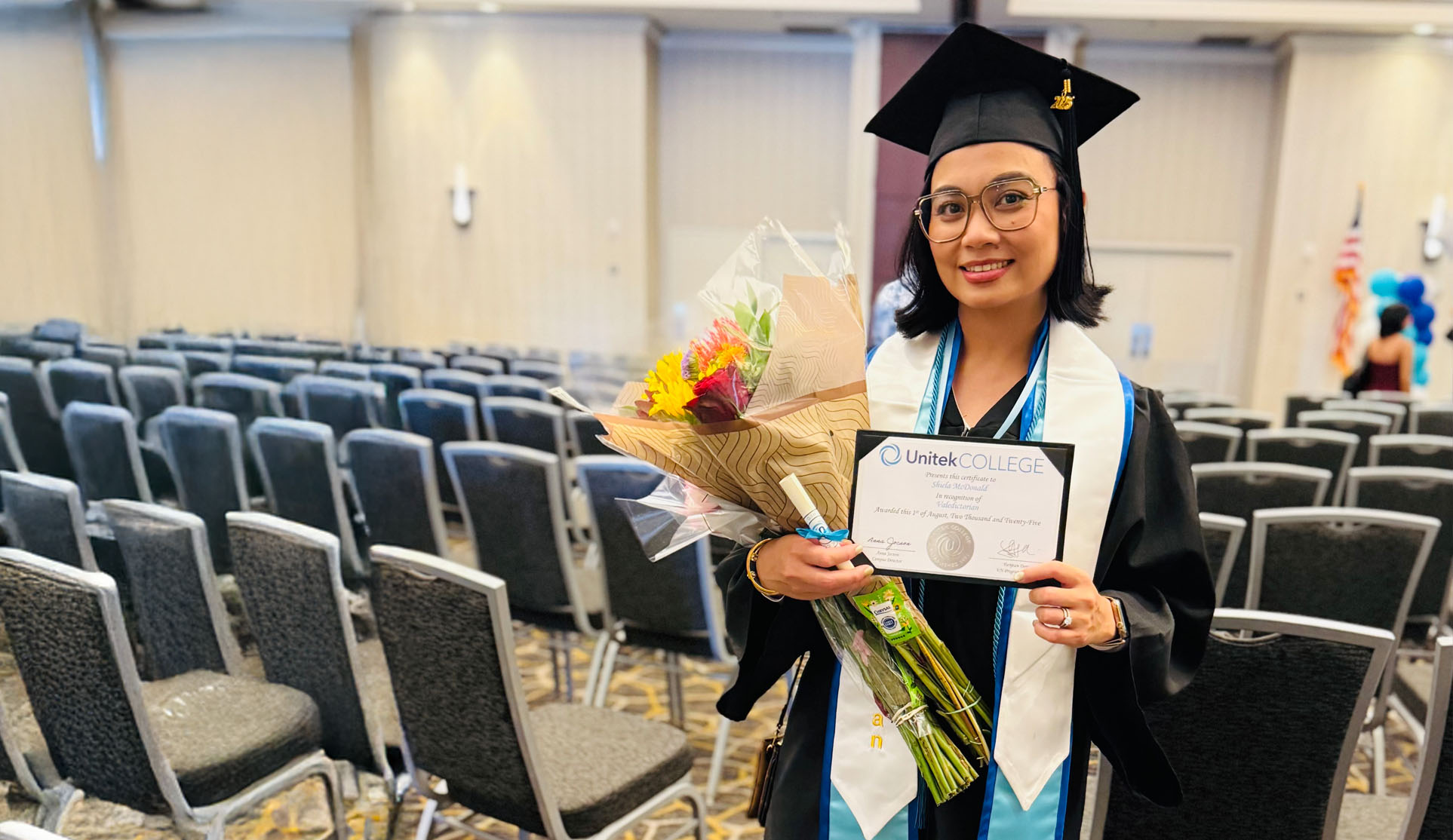
Recently, I received a letter from Futuro Health Scholar Shiela M., whose journey captures the very heart of our mission. Her story is one of courage in the face of setbacks, and her words moved me deeply. With her permission, I’d like to share her letter here in full.
Letter of Gratitude and Reflection
This milestone means so much to me because the road to this achievement has not been an easy one. After completing my nursing degree in the Philippines, life took me on a detour that placed my NCLEX-RN dreams on hold for years. There were times I felt uncertain, as if the momentum I once had was gone.
But in the midst of those challenges, Futuro Health became a beacon of hope. Through their scholarship and unwavering support, I was given the chance to refresh the knowledge I feared I had lost and to rebuild my confidence. That opportunity made all the difference. Because of Futuro Health, I was able to give my best in the VN program, graduate as valedictorian and summa cum laude, and most importantly—believe in myself again.
I cannot express enough how deeply grateful I am to Futuro Health for investing in students like me. Their commitment to uplifting and empowering aspiring healthcare professionals is life-changing. They didn’t just provide financial assistance; they gave me the courage to continue pursuing my calling, even when the path seemed uncertain.
Passing the NCLEX-PN is another milestone that reassures me that it’s never too late to rise again and follow our dreams. With this accomplishment, I now look forward to preparing for the NCLEX-RN with renewed determination, knowing that Futuro Health has helped me lay a strong foundation for this next step.
As I look toward 2025, I am filled with gratitude and pride, ready to finally say: I’m officially a Nurse – LVN. This achievement is not mine alone —it belongs to every person and every program, like Futuro Health, that chose to believe in me when I struggled to believe in myself. Thank you for choosing me.
To anyone who feels their journey has been delayed: please don’t lose hope. Delays are not denials. Your moment will come, and with the right support, you will find your way. I am living proof of that truth, and I owe so much of it to Futuro Health’s guidance and generosity.
From the bottom of my heart-thank you, Futuro Health, for opening doors and helping me reclaim my dream.
With endless gratitude and determination,
Shiela M.
Licensed Vocational Nursing Program | Futuro Health Scholar | Valedictorian, Unitek College
Reading Shiela’s words fills me with both pride and humility. Her letter beautifully illustrates what we hope every Futuro Health Scholar experiences—a renewed sense of purpose and belief in their own potential.
At Futuro Health, we know that the path to a healthcare career is rarely a straight line. Life happens—detours, financial strain, caregiving responsibilities, and moments of self-doubt can make the dream of becoming a healthcare professional feel distant. That’s why we’re here: to meet learners where they are and walk alongside them as they reclaim that dream.
What moves me most about Shiela’s journey is her message to others: “Delays are not denials.” Those four words capture the spirit of thousands of our Scholars—individuals who persevere through challenge and emerge stronger, ready to serve their communities.
As we look back on 2025, I’m reminded that every milestone—every certification earned, every new healthcare role filled—represents not just a personal achievement, but a community impact. Each scholar we support strengthens the health and resilience of families and neighborhoods across our nation.
Thank you, Shiela, for sharing your story and for embodying what Futuro Health stands for: hope, opportunity, and the power to rise again.
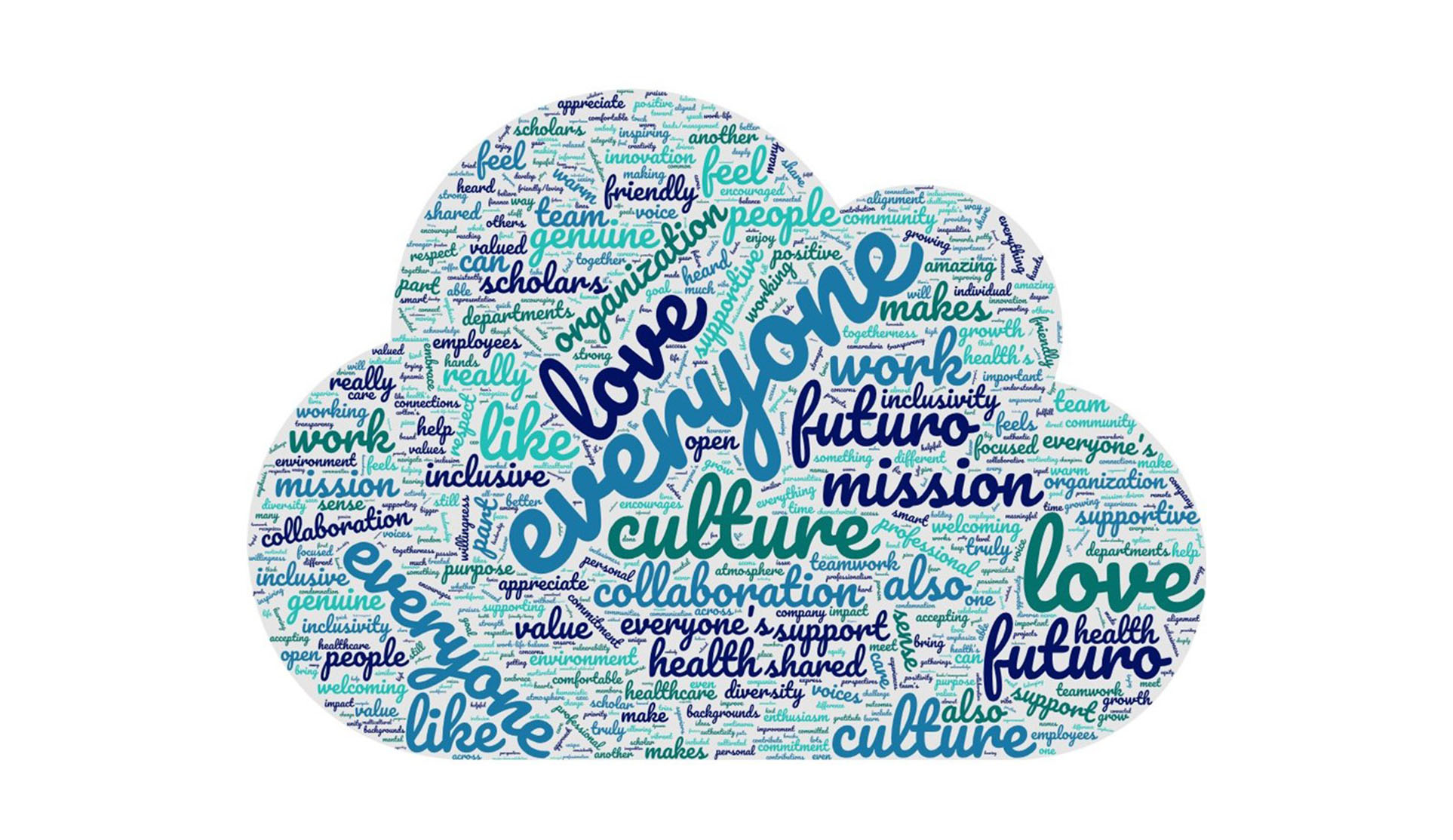
Connected by Purpose: How We Built a Culture of Belonging from Miles Apart
By Van Ton-Quinlivan, CEO of Futuro Health
At a time when organizational leaders are wringing their hands over the future of remote work, our Futuro Health team has built something extraordinary — a culture that’s warm, inclusive, mission-driven, and deeply authentic, all without physical offices. This internal culture matters deeply, because it shows up in how we support the thousands of Futuro Health Scholars we serve — adults across a wide-range of communities who attend tuition-free to earn the credentials and qualifications they need to begin or advance their careers in healthcare.
By Van Ton-Quinlivan, CEO of Futuro Health
The U.S. is in the midst of a deepening mental and behavioral health crisis, with soaring rates of anxiety, depression, addiction, and trauma. But there’s a rising threat that’s often left out of the conversation as I have learned from my recent G7 Canada Brain Economy Summit participation: gambling addiction.
What was once limited to casinos is now as close as your smartphone. Americans are wagering nearly $1 billion a day on platforms like DraftKings and FanDuel. In 2024 alone, U.S. bettors spent an estimated $150 billion—a number driven higher by aggressive advertising and legalized sports betting in 39 states and D.C.
This surge is not without consequences. An estimated 2 to 4 million Americans will experience gambling disorder in their lifetime. One in six problem gamblers will attempt suicide. In Texas, despite strict gambling laws, calls to 1-800-GAMBLER are second only to California. In Pennsylvania, residents lost $238 million to online casinos in a single month.
And yet, gambling addiction remains a footnote in mental and behavioral health strategies, siloed from broader behavioral health initiatives.
A Workforce Ill-Equipped to Respond
The mental and behavioral health workforce is already stretched thin. According to Mental Health America, the U.S. has just one mental health provider per 350 people, and more than 152 million Americans live in designated shortage areas. This shortage is especially acute in rural and underserved communities.
When it comes to gambling-specific treatment, the numbers are even more alarming:
- Minnesota has just 8 certified therapists to serve an estimated 250,000 residents with gambling issues.
- Texas, home to 30 million people, has only three certified gambling counselors in spite of having the second largest call volume into 1-800-GAMBLER.
We need a workforce strategy that reflects the full landscape of mental and behavioral health, including gambling-related harm. And, we need to strengthen the pipeline not only for licensed professionals but also for the vital certificated roles that provide upstream prevention and support in mental and behavioral health.
What Can Be Done?
At Futuro Health, we work with states to strengthen the behavioral health talent pipeline, especially in under-resourced communities. Here’s what we advocate for mental and behavioral health workforce development:
- Upskill existing clinicians by embedding gambling-specific training into continuing education. Certifications like NCGC-I/II are already available and should be scaled.
- Grow certificated roles like Peer Support Specialists, Community Health Workers, Substance Used Disorder Specialists, and addiction-informed financial counselors. These roles can be trained faster and play a vital role in detection and early intervention.
- Grow talent from affected communities—especially rural, low-income, and minority populations where gambling harm is often highest.
A Call to Action
As was highlighted at the G7 Canada Brain Economy Summit, gambling addiction is not a niche issue—it’s a rising public health concern that warrants integration into our mental and behavioral health response.
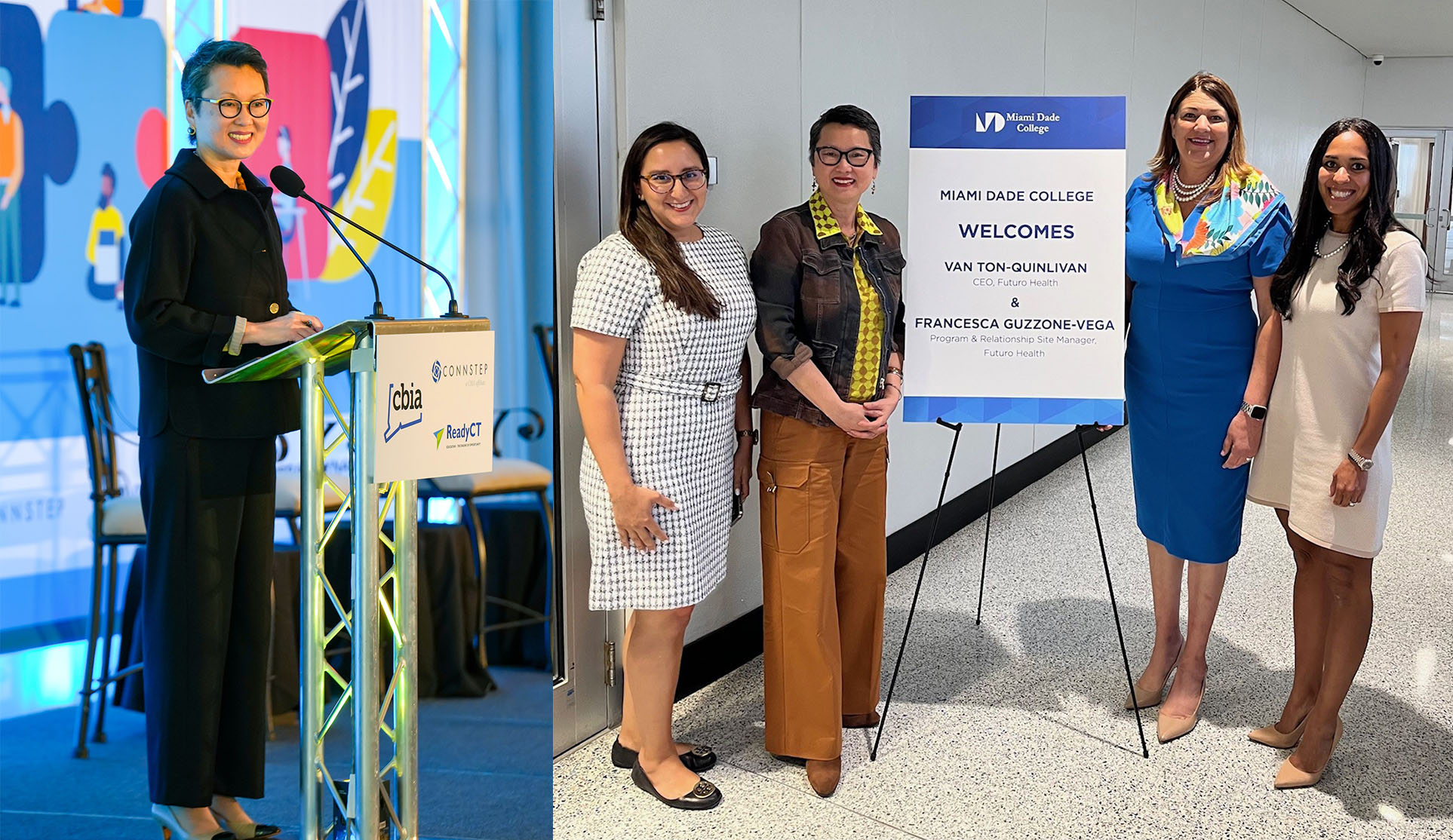
Addressing Healthcare Worker Shortages: Insights from Keynote Speaking Across States
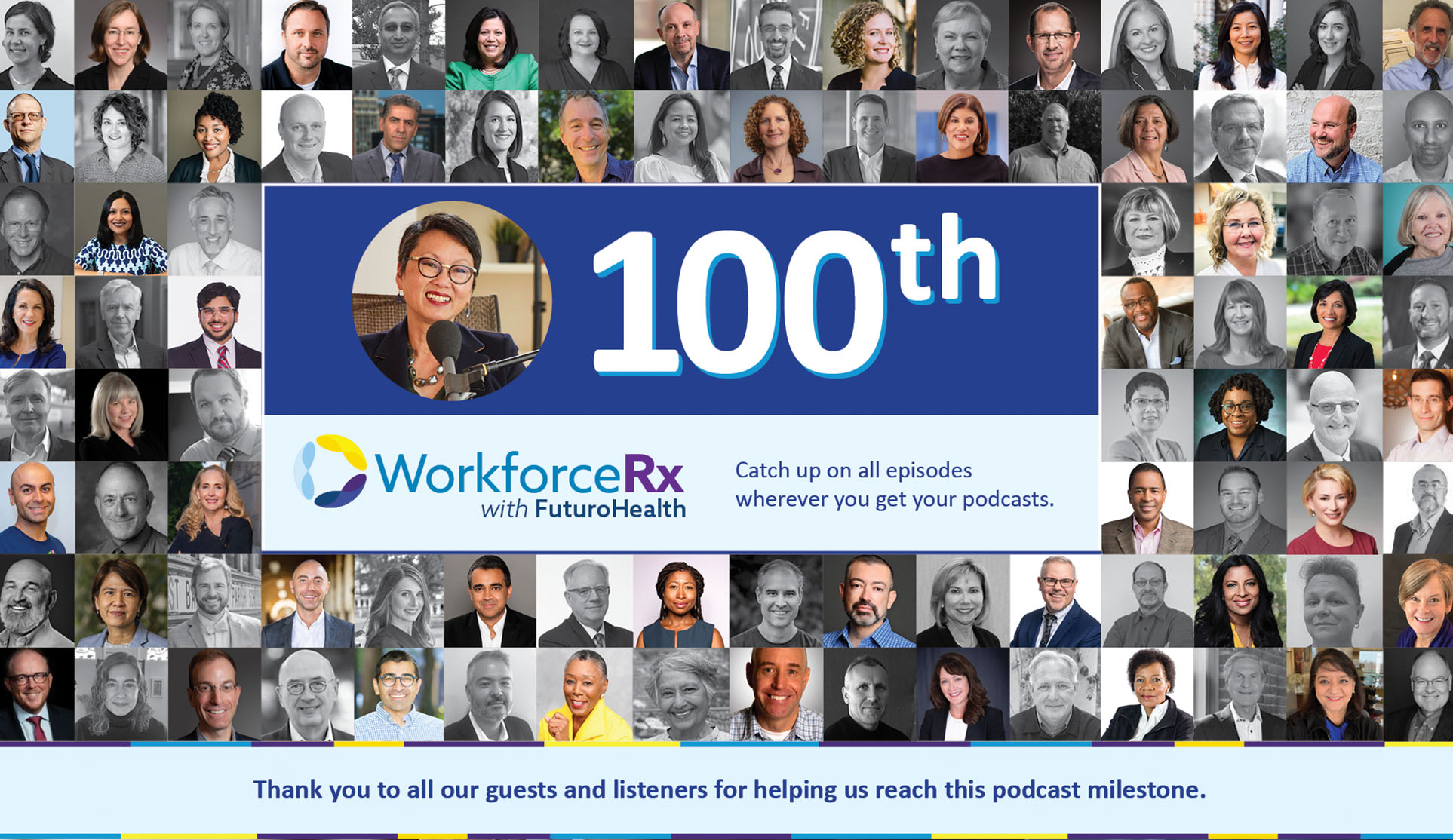
100 Episodes of WorkforceRx: Insights, Innovation, and Impact

Allied Health Roles & The Primary Care Doctor Shortage

Going for Gold: AI, Apprenticeships, and Shaping Workplace Champions

Reshaping the Mental and Behavioral Health Workforce

Employers battle retention tension with new skills – and can generative AI help?

Nurturing a diverse and resilient healthcare workforce
Everything everywhere all at once: the proliferation of healthcare worker shortages
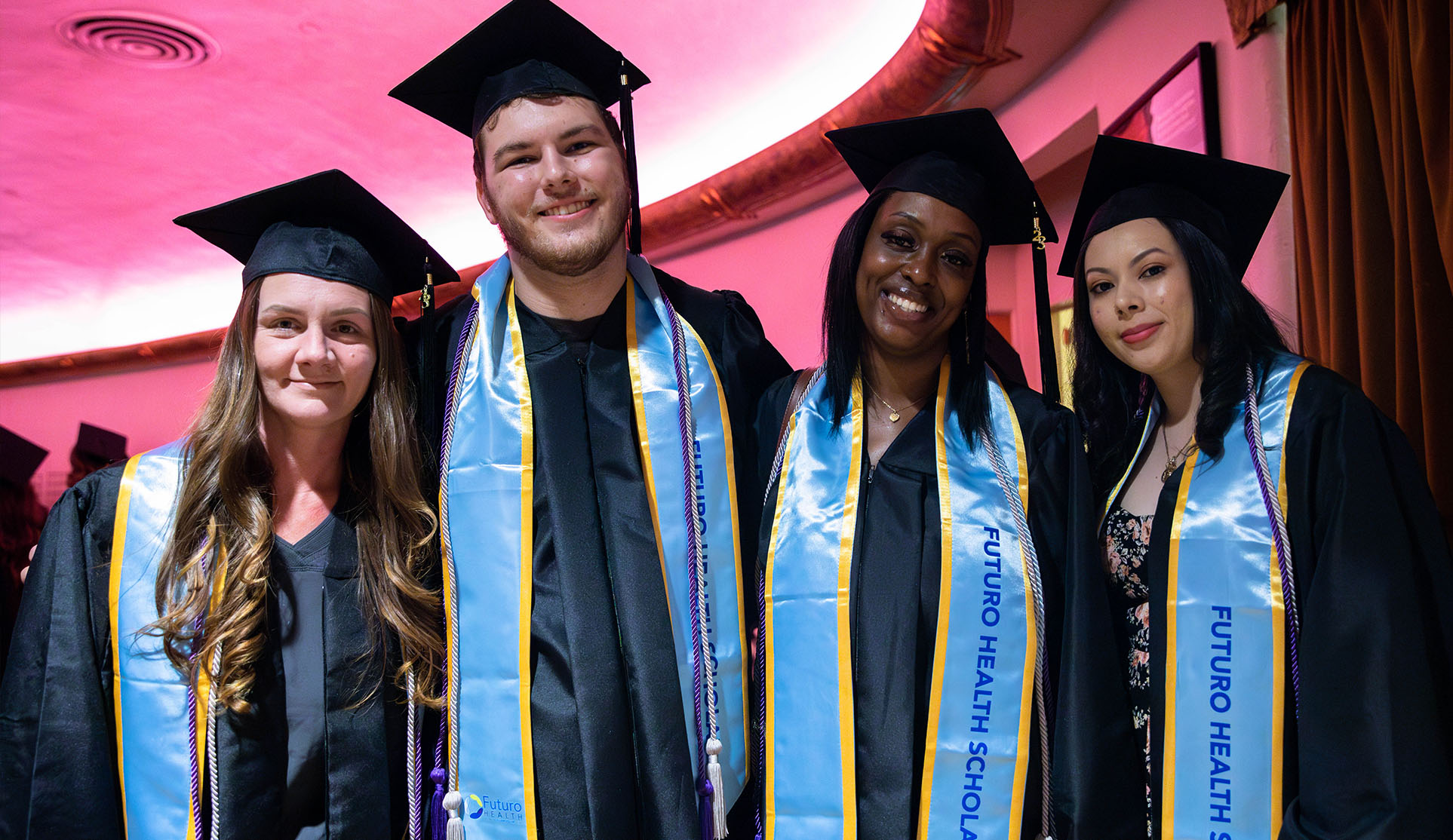
Thanksgiving Reflections on Partnerships, Progress, and Futuro Health's Journey
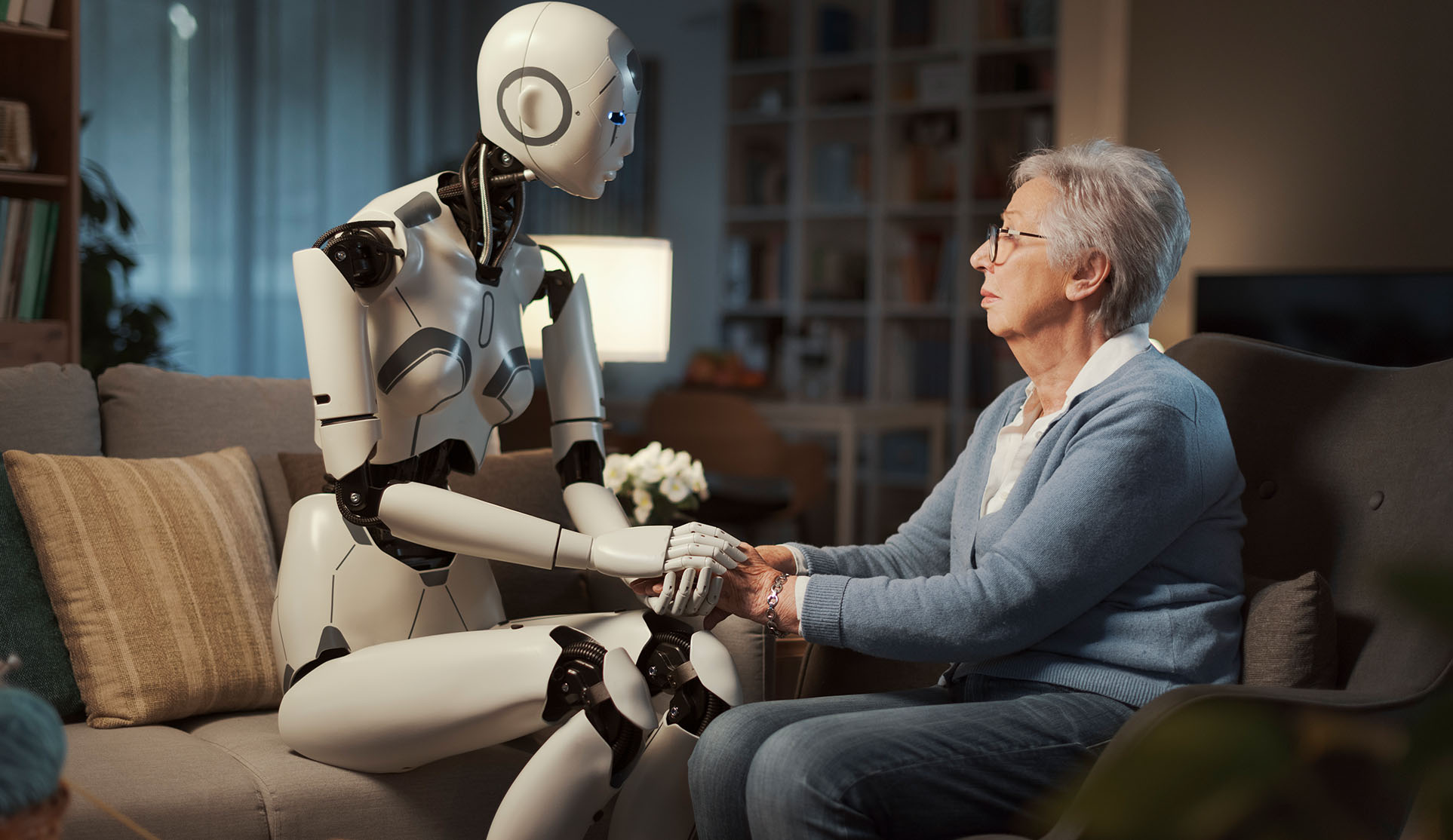
The Future of Aging and Automation

The Healthcare Workforce Crisis. Are Students Drowning in Debt or Is the Industry Under-Selling Its Jobs?
Mental Health and the Healthcare Workforce Crisis

The Unique Role of an “Education Whisperer” in Workforce Development
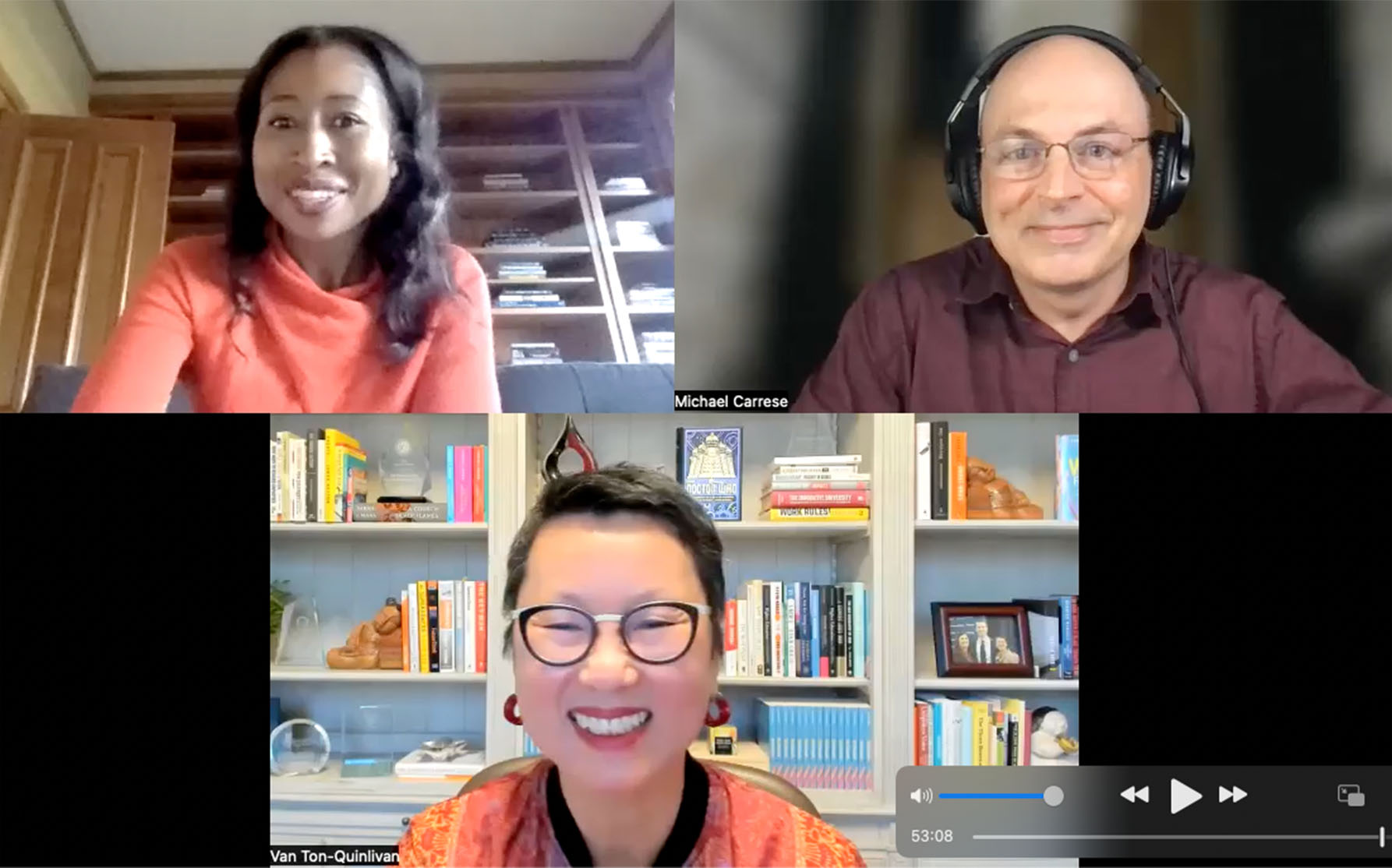
A Podcaster’s (Grateful) Perspective: What would ChatGPT Say?
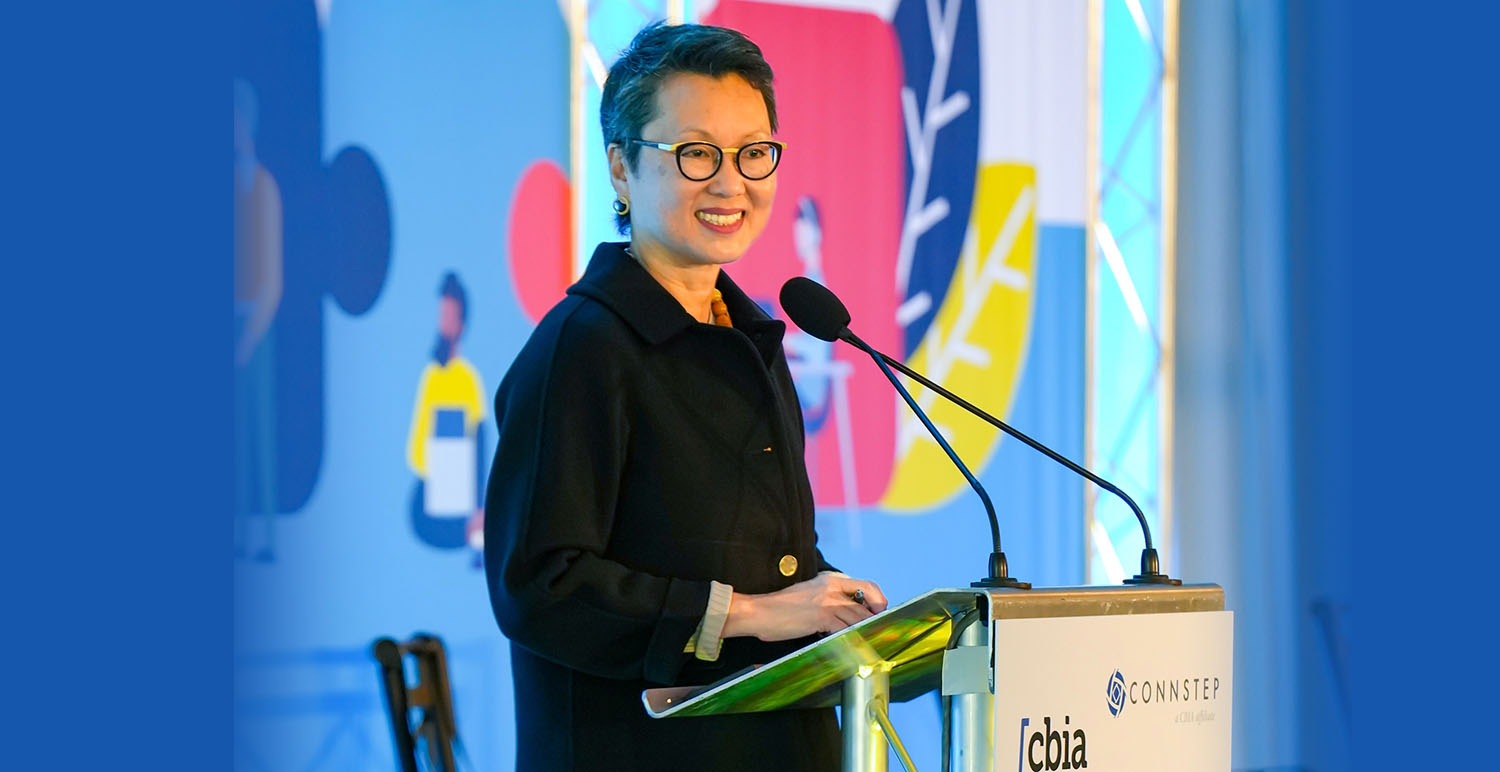
Speaking Out - The Healthcare Workforce Crisis
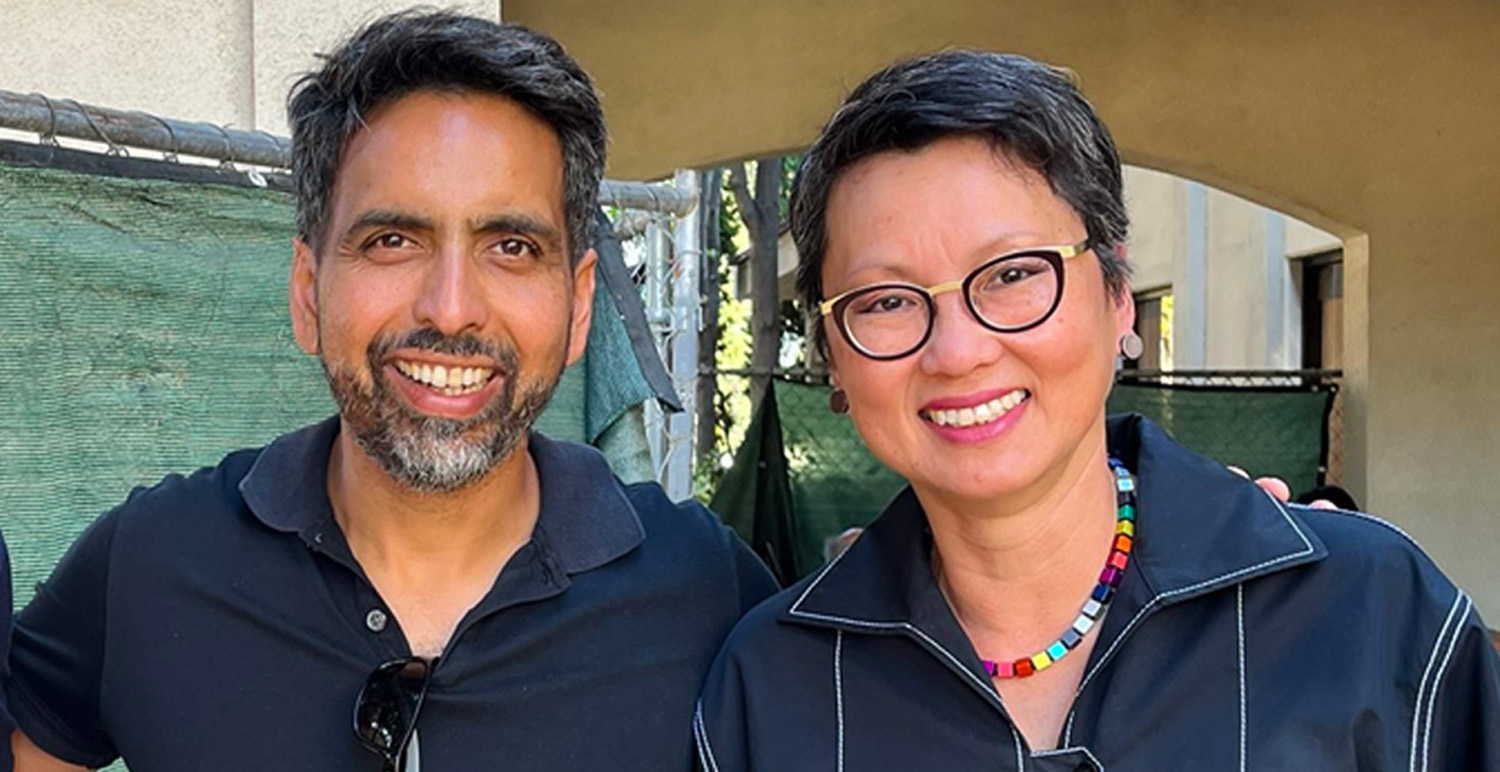
What We Can Learn from Education Disruptor All-Star Sal Khan and His Innovations

Filling the Mental Health Worker Pipeline Amid a Growing Crisis

Microcredentialing: A Responsive Solution for Leveraging Untapped Talent

Solving Workforce Shortages is Not an Individual Sport: What Healthcare Needs to Do Differently