| |
|
- Feature: No Starting Over for Working Adults: Three College Credits for Human Touch Healthcare™ from Futuro Health
- Scholar Spotlight: Eliana M., Emergency Room Technician Program
- Our Latest Blog: Who Will Care for Us? Why the future of care is a wicked problem, and should caregivers own a piece of the solution?
- Futuro Health in Your Community
- Meet Our Staff
- WorkforceRx Podcast: Dr. Harry Holzer, Professor of Public Policy at Georgetown University: New Research On How Educators Can Improve Alignment With The Job Market
|
|
|
|
|
No Starting Over for Working Adults: Three College Credits for Human Touch Healthcare™ from Futuro Health | What if the training you've already completed could count toward a college degree?
Futuro Health Scholars now have a new pathway to turn healthcare workforce training into college credit, creating an opportunity for working adults to receive recognition for skills gained through healthcare workforce training, advancing economic and career mobility.
The American Council on Education (ACE) has recommended Human Touch Healthcare™ , Futuro Health's proprietary coursework focused on communication, professionalism, empathy, and patient-centered care, for the equivalent of three semester hours of college credit.
The proprietary course builds interpersonal skills essential to allied health careers. The designation provides Futuro Health Scholars with a potential pathway to apply prior learning toward a college degree or advanced credential, helping save time and tuition as they continue their education. Futuro Health Scholars average 31 years of age, and many have been out of the classroom for years. They earn healthcare credentials debt-free through Futuro Health’s learner-centered education journeys and intensive wraparound support.
More than 12,000 adults have completed Human Touch Healthcare™ since Futuro Health’s launch, including nearly 1,000 residents of rural and medically underserved areas facing healthcare workforce shortages. The coursework develops six essential interpersonal competencies: empathy and compassion, cultural competence, effective communication, emotional intelligence, teamwork and collaboration, and ethics and integrity. These human-centered skills are increasingly important as AI and automation transform healthcare and as the need for meaningful human connection in care grows. |
| Read the Press Release Here |
|
|
|
Futuro Health Scholar Spotlight |
|
|
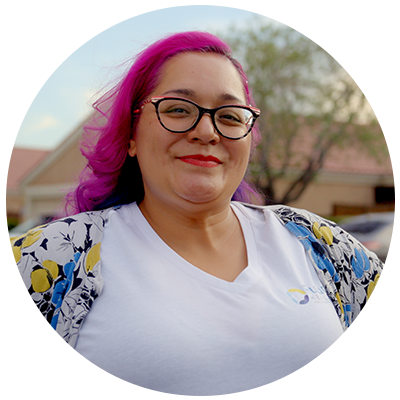
Eliana M. Futuro Health Scholar
Emergency Room Technician Program |
While working at a homeless shelter, Eliana discovered a passion for helping others that inspired her to pursue a career in healthcare. She was drawn to Futuro Health's Human Touch Healthcare course, which emphasizes empathy, compassion, communication, and the meaningful human relationships that are central to quality care. |
|
|
Those values resonated deeply with Eliana and reinforced her commitment to serving others. Today, she is proud to be a role model for her children as she continues turning her passion for helping people into a fulfilling healthcare career. "I really appreciate Futuro Health because they saw something in me that I didn't see in myself for a long time. Sometimes you just need somebody else believing in you and giving you the opportunity for you to start believing in yourself." |
| Watch Her Story |
|
|
|
Who Will Care for Us? Why the future of care is a wicked problem, and should caregivers own a piece of the solution? By: Van Ton-Quinlivan, CEO, Futuro Health |
 |
In my last blog, I shared an idea we’re exploring at Futuro Health: what if care workers could own a stake in the care economy, not just earn a wage in it? Today I want to step back to the bigger question driving that work.
Who will care for us as we age?
Most of us want to grow old at home. But at some point, whether it’s a fall, a diagnosis, or the slow progression of dementia, we or our parents will need help with the basics of daily life. The people we’ll count on are direct care workers: personal care aides and home health aides. We need more of them than any other kind of caregiver, and they leave their jobs at rates of 60–80% a year. With that much churn, none of us can count on aging with peace of mind.
The numbers make the urgency plain. By 2060, Americans 65 and older are projected to reach nearly 89 million. An estimated 70% of people turning 65 will need long-term services and support. And millions of direct care jobs will need to be filled over the next decade. |
| Read the Complete Blog Here |
|
|
Futuro Health in Your Community |
Building a stronger healthcare workforce takes collaboration. From national policy discussions to student success initiatives, Futuro Health team members are sharing what works and learning from leaders across education, workforce development, and healthcare. |
|
| 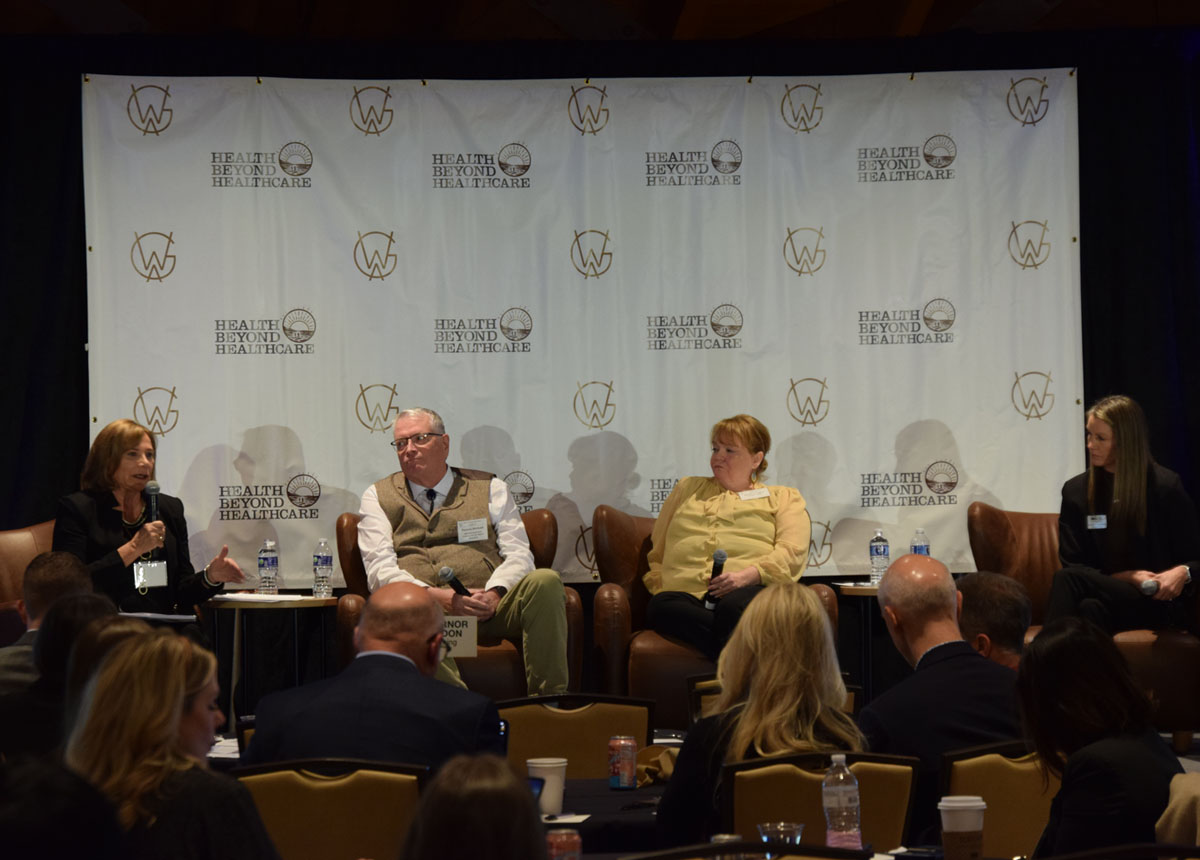 |
Senior Advisor Laura Beeth represents Futuro Health at the Western Governors’ Association's Health Beyond Healthcare workshop, highlighting innovative approaches to building a stronger behavioral health workforce. |
|
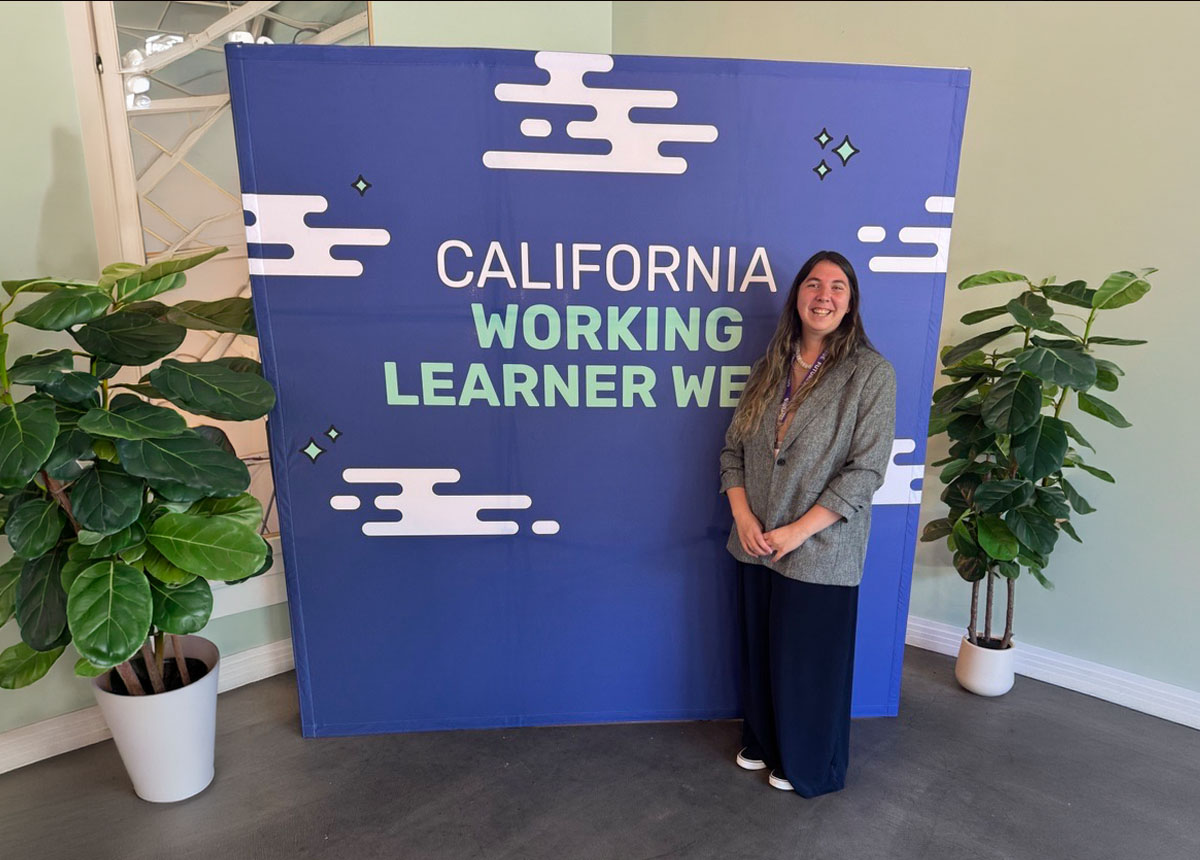 |
Director Kelcie A. speaks at the College Futures Foundation California Working Learner Summit in Los Angeles, highlighting Futuro Health's learner-centered model and collaborating with education and workforce leaders to expand opportunities for students pursuing healthcare careers. |
|
|
|
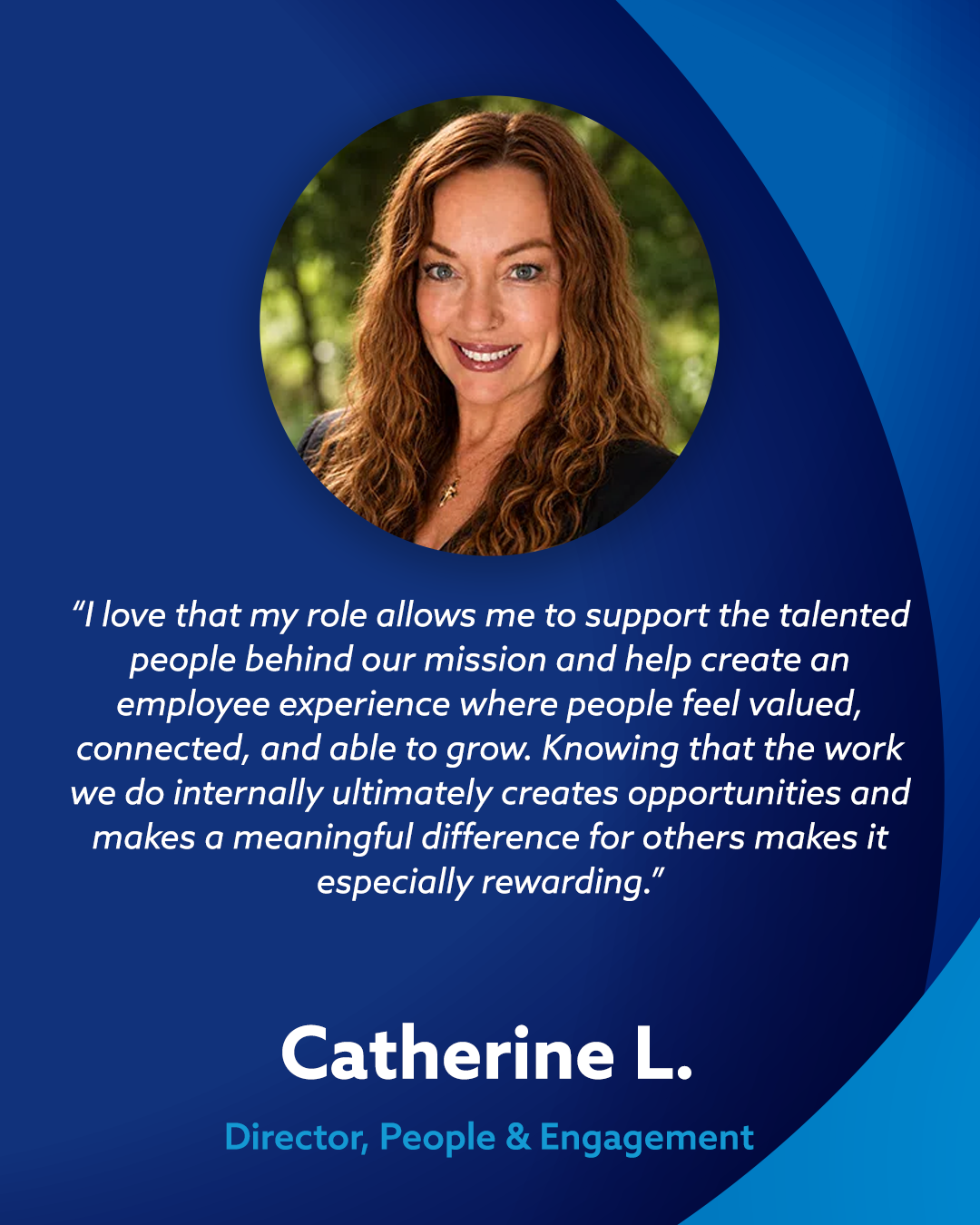
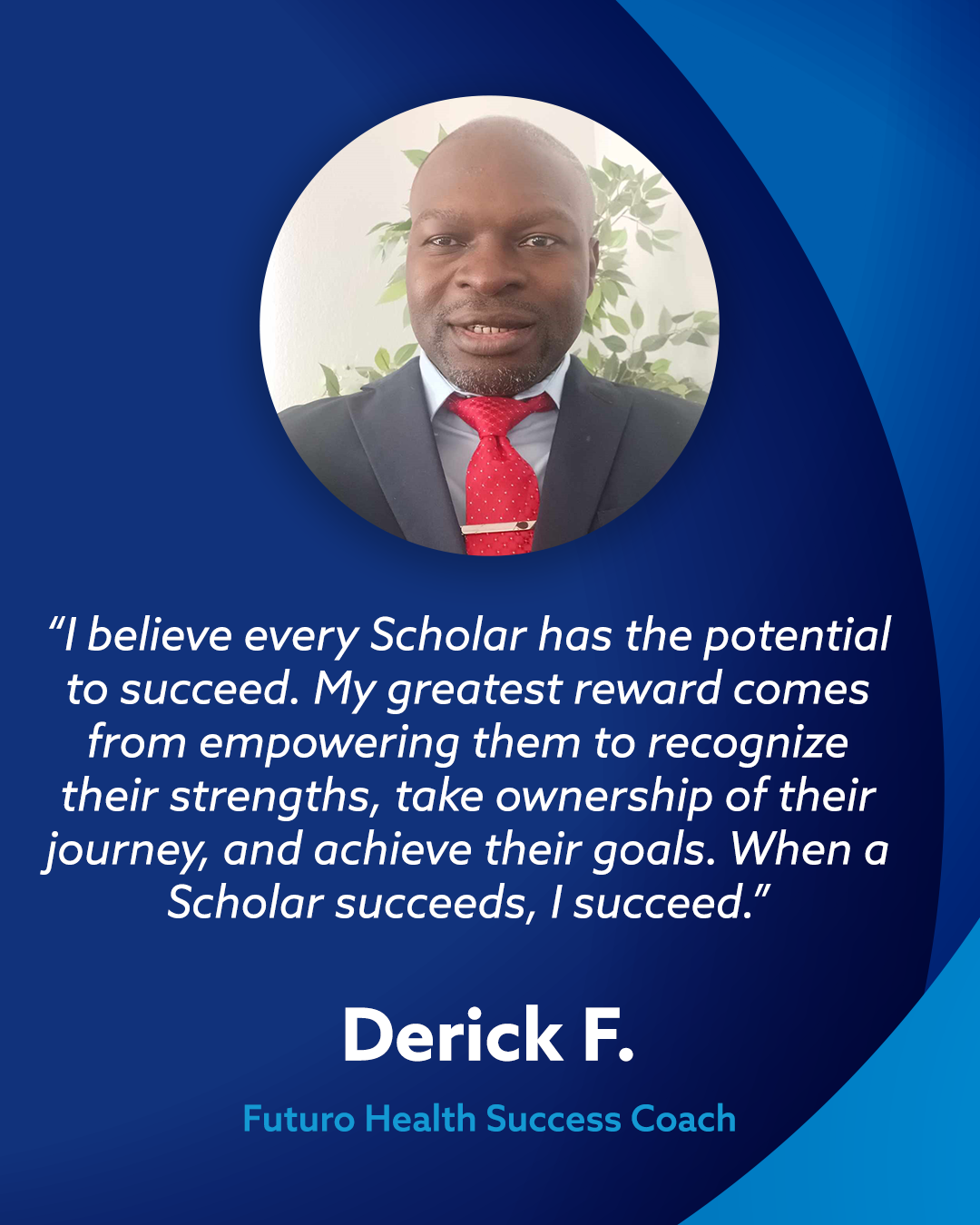
Meet Our Staff | Every Futuro Health success story starts with people who believe in what’s possible. This month, we’re excited to introduce Catherine and Derick. Get to know them and the heart they bring to our mission. |
|
|
| |
|
WorkforceRx Podcast |
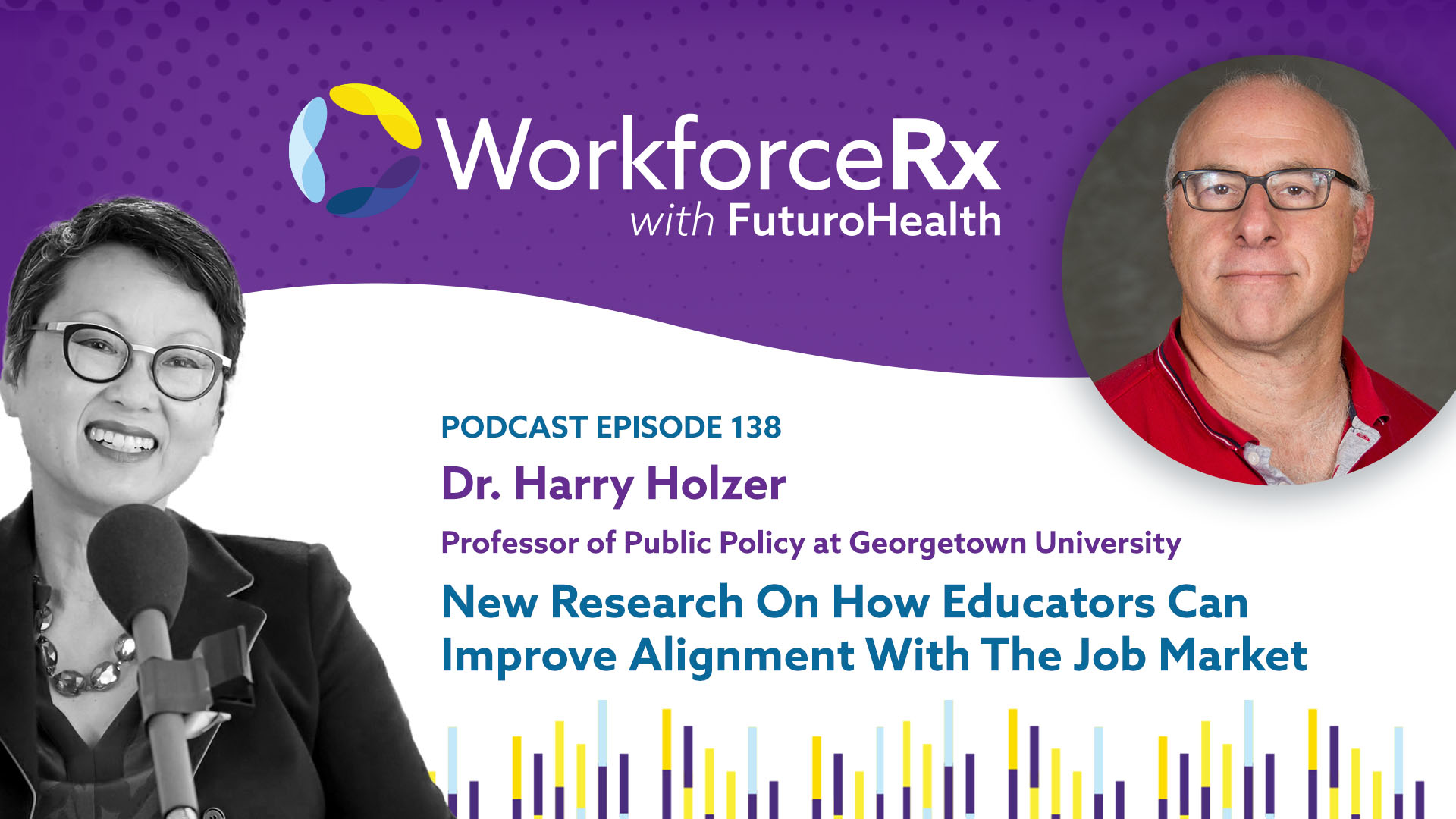 |
Episode #138 | Dr. Harry Holzer, Professor of Public Policy at Georgetown University: New Research On How Educators Can Improve Alignment With The Job Market
When it comes to concerns about the performance of community college students, much of the conversation focuses on low completion rates and what should be done to improve them. But there's less attention given to why many students who do complete their programs are not earning credentials that are valued by employers. “It's really important that the institutions not only have high completion rates, but that their students have really good experiences in the labor market afterwards,” says Dr. Harry Holzer of Georgetown University, co-author of the report Creating Credentials of Value in Community Colleges with Amy Fagan of the American Institutes for Research. The report shows that top performers among the nation’s 1,000 public community colleges more consistently evaluate their programs to make sure they are keeping up with advances in various occupations and changing employer demands. In this WorkforceRx conversation with Futuro Health CEO, Van Ton-Quinlivan, Holzer reveals other key reasons for better performance, and takes a look at the broader workforce education picture, highlighting the work of sectoral training programs throughout the U.S. “These programs can achieve 30 to 40 percent earnings bumps that last a decade or more, so this approach works really well when it works."
| | Listen to the Latest Podcast
|
|
| About Futuro Health
Futuro Health addresses the critical shortage of healthcare workers through its national nonprofit mission to improve the health and well-being of communities by growing the largest network of allied health workers in the nation. We empower individuals by providing them with the credentials and qualifications for their first or next healthcare career, making education journeys into allied health careers possible. By building the talent that employers need and creating a path to opportunity that workers want, we are transforming lives and communities.
|
|
| Subscribe to
Futuro Health eConnection | | Subscribe |
If this eConnection was forwarded to you, please subscribe if you’d like future editions to land in your inbox. |
|
|
|
|